

Precision machining technology is a manufacturing technology that uses high-precision equipment and processes to achieve size control from micron level (10⁻⁶ meters) to nanometer level (10⁻⁹ meters), covering sub-segments such as ultra-precision turning, grinding, laser machining, and electrospark machining. Its technological breakthroughs are profoundly reshaping the design concept and performance boundaries of medical precision equipment, from the operating accuracy of surgical instruments to the biocompatibility of implanted instruments, from the manufacturing of core components of diagnostic equipment to the miniaturization of wearable medical devices, all showing the significant effect of technology empowerment.
The demand for machining accuracy of modern medical equipment has been upgraded from the traditional millimeter level (10⁻³ meters) to the submicron level. For example, the grid accuracy of cardiovascular stents needs to be controlled within 50 microns, and the surface roughness of artificial joints needs to be less than 0.1 microns. This technological iteration not only relies on the precision upgrade of machine tool hardware, but also benefits from the collaborative breakthroughs of software technologies such as digital twin modeling and error compensation algorithms, forming a composite technology system of "hardware accuracy + software control", which provides underlying support for the functional innovation of medical equipment.
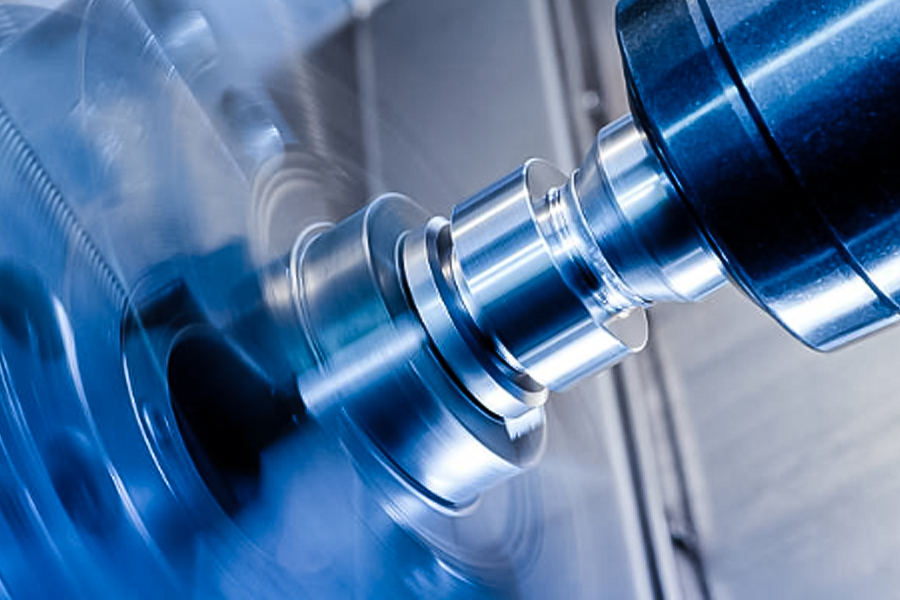
Specific impact of core processing technology breakthroughs
Ultra-precision material processing: broadening the application boundaries of medical materials
The processing of traditional medical materials such as stainless steel and aluminum alloys has become mature, while the processing difficulties of new titanium alloys (such as Ti-6Al-4V), medical polymer materials (such as polyetheretherketone PEEK), and bioceramics (such as hydroxyapatite) are high hardness, brittleness or strong viscosity of the materials. Ultra-precision grinding technology can achieve a surface roughness of Ra≤0.05μm for titanium alloy artificial joints through nano-level dressing of diamond grinding wheels, which is more than 5 times higher than traditional grinding; laser micromachining technology can process micropores with a diameter of 50 microns on PEEK materials to meet the structural design requirements of drug-release stents.
The improvement of material processing accuracy directly improves the biocompatibility of implanted devices. For example, the surface of precision-machined titanium alloy bone screws can be electrochemically polished to reduce protein adsorption by 30%, reducing the risk of inflammation caused by cell adhesion. This technological breakthrough allows more high-performance materials to move from the laboratory to clinical applications, and promotes the upgrade of medical equipment from "usable" to "durable + comfortable".
Nano-level precision control: Innovating the performance of minimally invasive surgical instruments
The popularity of minimally invasive technologies such as laparoscopic surgery and neurointerventional surgery has put forward strict requirements on the accuracy of instrument terminal operations. Precision machining technology has achieved breakthroughs in the following dimensions:
Geometric accuracy: The use of air hydrostatic bearing machine tools to process surgical forceps joints can control the rotation gap within 1 micron, avoiding the "stuck" phenomenon of traditional instruments;
Surface accuracy: Magnetorheological polishing technology makes the surface roughness of ultrasonic surgical blades reach Ra≤0.02μm, reducing the probability of tissue adhesion;
Motion accuracy: Five-axis linkage machining based on error compensation algorithm achieves a bending radius error of ≤5 microns at the head end of vascular intervention catheters, improving the controllability in complex vascular environments.
These technological advances enable doctors to complete the precise anastomosis of blood vessels with a diameter of less than 1 mm, promote heart bypass and other surgeries from "big opening and closing" to "precise intervention", and significantly reduce patient trauma and recovery time.
Micro-nano structure processing: promoting innovation in miniaturized medical devices
The miniaturization of wearable blood glucose meters, implantable pacemakers and other devices relies on micro-nano processing technology to build complex internal structures. For example:
Lithography electroforming molding (LIGA) technology: processing 50-micron-thick micro gears for precise drug delivery control of insulin pumps;
Focused ion beam (FIB) processing: engraving 100-nanometer-wide electrode arrays on the surface of chip-level sensors to improve the accuracy of physiological signal acquisition;
Microfluidic chip processing: through ultraviolet laser micromachining, 500 micron-level flow channels are constructed on a 3cm² chip to achieve multi-parameter synchronous analysis of portable biochemical detectors.
The popularization of miniaturized equipment not only improves the convenience of patients, but also promotes the transfer of medical scenarios from hospitals to homes, accelerating the arrival of the era of personalized medicine.
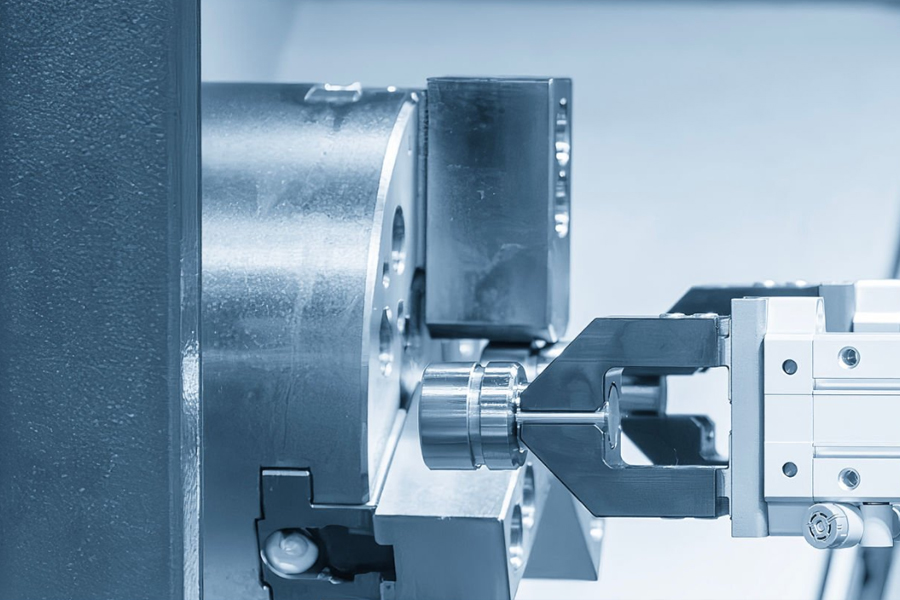
Surface functionalization processing: improving the biosafety of equipment
The surface characteristics of medical equipment directly affect its clinical effect. Precision processing technology has achieved breakthroughs through two paths:
Surface texture processing: processing a 5-micron microgroove structure on the surface of the artificial lens can reduce more than 90% of protein adsorption and delay the recurrence of postoperative cataracts;
Coating deposition technology: using magnetron sputtering technology to deposit a 5-micron thick diamond-like carbon coating (DLC) on the surface of surgical instruments, the wear resistance of the instrument is increased by 10 times, while reducing the bacterial adhesion rate by 40%.
The combination of these surface treatment technologies and precision processing technology has built a complete technology chain from "structural accuracy" to "functional accuracy", effectively solving the biocompatibility problem faced by traditional equipment.