

Precision CNC machining technology is a technology that promotes high-precision machine tools by digital control systems, and performs μm to sub-micron precision parts processing technology, including automotive, cutting, cutting, EDM and other processes. Its technological improvement focuses on three aspects: improving precision, improving processing efficiency, and expanding the level of complex structure processing. Based on innovations such as five-axis linkage technology, nano-positioning systems, and intelligent programming algorithms, the precision machining industry is promoted to transform from single process precision to full-process intelligence.
Contemporary precision CNC machine tools have achieved an upgrade from basic programming to full-process simulation, integrating high-precision servo motors and thermal deformation compensation technology, which can reduce the damage caused by human deviations and provide technical applicability for aerospace engineering, medical equipment, semiconductors and other fields with strict precision.
The multi-dimensional impact of important technological improvements on the industry
➽Subversive improvement and stability improvement of precision
The traditional CNC machining precision has a certain range of changes. The new generation of precision CNC machine tools has made breakthroughs based on multi-level technological innovations:
●Improving multi-axis linkage accuracy: Excellent linkage error compensation algorithm, so that the complex space surface processing accuracy can reach a higher level, meeting the precision forming requirements of aircraft engine blades, etc.;
●Nano positioning technology: Magnetic suspension guide rails are combined with laser interferometer information feedback to achieve high resolution and high precision of the machine tool feed axis. Semiconductor wafer cutting molds;
●Dynamic error compensation: According to the distribution of sensors on each axis of the machine tool, thermal deformation and vibration analysis errors are adjusted immediately to solve the problem of precision fluctuations in batch processing in traditional processing.
This kind of precision improvement has promoted the update of precision parts from meeting basic conditions to improving comprehensive performance. For example, after improving the barrel precision of precision bearings, the service life is significantly extended and the operating noise is reduced.
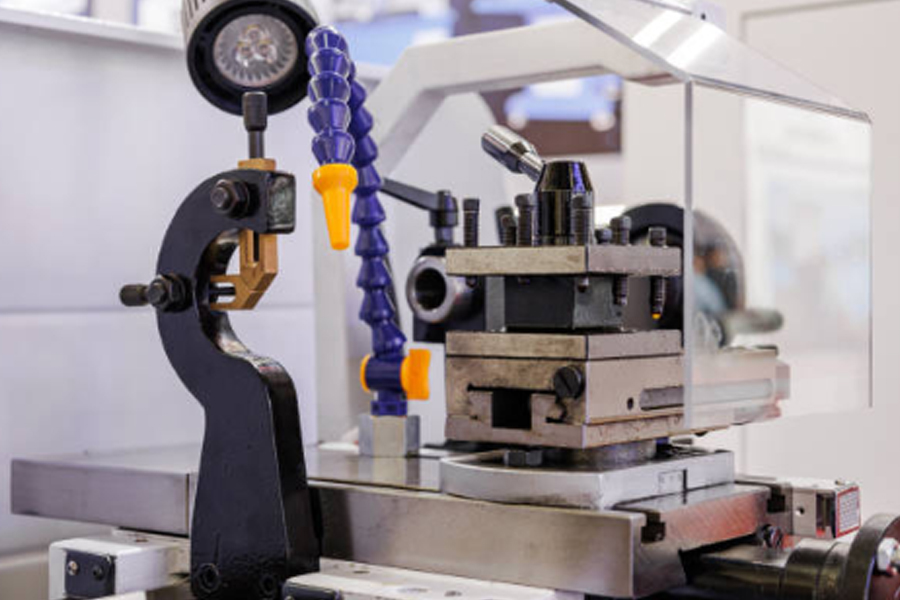
➽Leap-forward development of productivity and automation
Based on the innovative development of hardware and software, the efficiency of precision CNC technology is improved:
●Hardware: The fast processing core is combined with excellent drive technology to significantly improve the processing efficiency of materials such as aluminum alloys; the automatic loading and unloading system and machine tool network technology can be used for long-term unmanned processing, greatly improving the utilization rate of equipment;
●Software: The programming system based on the optimization algorithm can automatically identify the characteristics of parts and form the best processing method, which significantly improves the efficiency of traditional manual programming; the processing process monitoring system adjusts the cutting parameters in real time through sensors, reduces material waste, and improves processing efficiency.
In the scenario of multi-variety small batch production, the tool system and modular fixture technology quickly shorten the conversion time of a single batch of parts, significantly improving the level of flexible manufacturing.
➽Expanding the boundaries of material processing and process innovation
Precision CNC technology has brought new solutions to difficult-to-process materials such as titanium, heat-resistant alloys, and ceramic-based composite materials:
●Superhard material processing: Use high-frequency vibration drilling technology to effectively reduce tool damage and perform reasonable precision processing of aerospace engineering components;
●Brittle material forming: Laser-assisted heating CNC processing technology, based on local heating to soften the material, significantly reduces the incidence of cracks in the processing link;
●Ultra-thick wall parts processing: Based on the ultra-precision lathe and vacuum adsorption fixture of gas hydrostatic bearings, ultra-thick wall parts that meet the requirements of miniaturization of medical equipment can be processed.
This technological development has promoted the transformation of a large number of high-performance materials from laboratories to large-scale applications, and promoted the lightweight upgrade of key components in fields such as new energy vehicles.
➽Innovation of complex structure production capacity and release of design playability
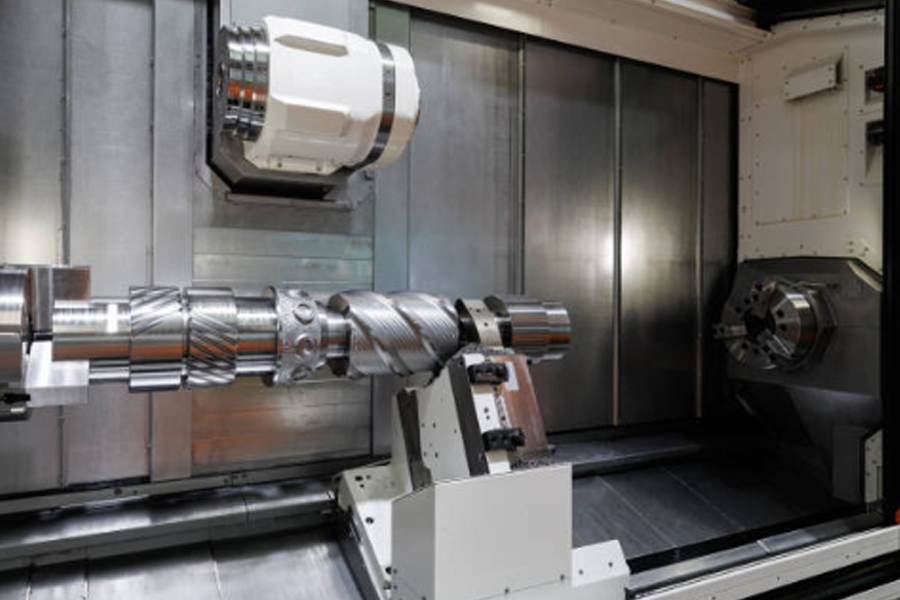
Traditional processing is limited by the number of machine tool axes and programming capabilities. New CNC technology solves this limitation:
●Micro-nano structure processing: high-precision wire cutting machine tools can process the micro-groove structure required for MEMS sensor manufacturing;
●Multi-curvature inclined surface processing: Five-axis linkage processing based on excellent plug technology can accurately process free-form surfaces such as automotive lamps, saving traditional manual polishing processes;
●Deep cavity precision processing: Deep hole drilling machines with extremely high aspect ratios, combined with high-pressure internal cooling systems, can perform high-precision operations on deep hole processing of aerospace components.
With these technologies, design engineers can carry out more complex overall designs. For example, the process performance of porous lightweight parts with bionic design is far higher than that of traditional structures.
Industrial transformation and future prospects driven by technology
The breakthrough in precision CNC machining technology is not only an improvement in precision and quality, but also a reconstruction of the underlying thinking of the entire precision machining industry:
●Industrial division of labor improvement: the prevalence of professional precision machining service providers has promoted the development of the industrial chain towards specialization;
●Accelerated production design integration: Based on the rise of CNC technology manufacturability analysis tools, the product development cycle has been significantly shortened;
●Intelligent transformation acceleration: CNC equipment is combined with the Internet of Things to analyze processing data in real time and promote the change of production methods from experience to data-driven.
With the integration of technologies such as AI algorithms, quantum metrology, and additive manufacturing, precision CNC machining will show a trend of high-precision normalization, self-improvement of the machining process, and multi-technology collaborative manufacturing in the future. Market competition will shift from equipment hardware to the comprehensive capabilities of software, technology, and information. The company needs to have advantages in the field of high-precision manufacturing based on continuous technology iteration and human resources.