

In the modern industrial system, precision parts processing plays a vital role. It is the basic support for many key fields such as high-end equipment manufacturing, aerospace, and medical devices. With the continuous advancement of science and technology and the increasing requirements of various industries for product precision and performance, the technical level and quality control ability of precision parts processing have become an important manifestation of the core competitiveness of enterprises. This article will conduct a comprehensive discussion on precision parts processing, analyze its main processes, explain the value of the industry, analyze the key points of quality control, and look forward to the development trend of the industry, providing valuable reference for relevant practitioners and people who are concerned about this field.

Analysis of the main processes of precision parts processing
Precision parts processing covers a variety of advanced process technologies, and different processes are suitable for different materials, part shapes and precision requirements.
1. CNC processing
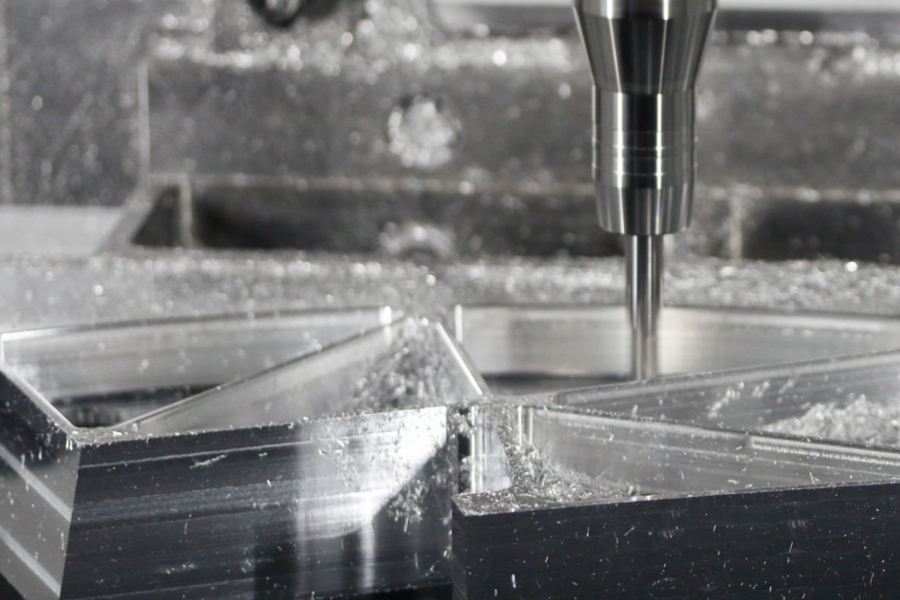
CNC (computer numerical control) processing is one of the most widely used processes in precision parts processing. It controls the movement and processing process of machine tools through computer programs, and can achieve high-precision processing of various complex-shaped parts. CNC processing has the advantages of high processing accuracy (generally up to 0.01mm level), high efficiency, and strong degree of automation. The materials that can be processed include aluminum alloy, stainless steel, titanium alloy, plastic and other metal and non-metal materials. CNC machining can handle simple shaft and disc parts, or complex box and mold parts. During the machining process, the dimensional accuracy, geometric tolerance and surface roughness of the parts can be effectively guaranteed by the reasonable selection of tools, cutting parameters and machining process routes.
2. Precision grinding
Precision grinding is a process that uses abrasives as tools to perform fine machining on the surface of parts. It is mainly used for parts with extremely high machining accuracy requirements (dimensional accuracy can reach 0.001mm level, surface roughness Ra can reach less than 0.01μm), such as precision bearings, precision lead screws, optical lenses, etc. The grinding process can be divided into external cylindrical grinding, internal cylindrical grinding, surface grinding, centerless grinding and other types. The appropriate grinding method is selected according to the shape of the part and the machining requirements. During the grinding process, the abrasive particle size, hardness, grinding wheel speed, feed speed and other parameters will have an important impact on the machining quality. In order to obtain a high-precision machining surface, the grinding equipment needs to be accurately adjusted and calibrated, and the temperature, humidity and other factors of the machining environment need to be controlled.
3. Electro-spark machining
Electro-spark machining is a machining method that uses the heat generated by electric spark discharge to remove materials. It is suitable for machining materials with high hardness, high melting point and high brittleness, such as hardened steel, cemented carbide, ceramics, etc. It can process various complex cavities and holes, such as mold cavities, precision gear tooth shapes, etc. The principle of electro-spark machining is to generate high temperatures locally through pulse discharge between the tool electrode and the workpiece electrode, so that the workpiece material melts and vaporizes, thereby achieving material removal. During the machining process, electrode loss, discharge gap control, and machining parameter selection are all key factors affecting machining accuracy and efficiency. In order to improve the machining quality, it is necessary to use appropriate electrode materials and machining processes, and monitor and adjust the machining process in real time.
The industry value of precision parts machining
1. Provide core support for high-end equipment manufacturing
High-end equipment manufacturing is a strategic emerging industry that the country focuses on developing, such as CNC machine tools, industrial robots, and aircraft engines. The core components of these equipment are inseparable from precision parts machining, and the accuracy and quality of the parts directly determine the performance and reliability of the equipment. For example, the machining accuracy of key parts such as the spindle, guide rail, and ball screw of CNC machine tools directly affects the machining accuracy and stability of machine tools; the quality of parts such as joint bearings and gearboxes of industrial robots determines the motion accuracy and service life of robots. Precision parts processing companies provide a solid foundation for product research and development and production of high-end equipment manufacturing companies by providing high-quality parts, and promote the independent innovation and development of my country's high-end equipment manufacturing industry.
2. Helping technological breakthroughs in the aerospace field
The aerospace field has extremely high requirements for the accuracy, reliability, high temperature resistance, corrosion resistance and other properties of parts. Precision parts processing is widely used in the aerospace field, such as blades of aircraft engines, structural parts of spacecraft, and parts of precision instruments. The processing of these parts is extremely difficult, and advanced processes and technologies need to be adopted, while strict quality control of the processing process is carried out. For example, the processing of aircraft engine blades requires the use of five-axis linkage machining centers, precision grinding and other processes to ensure the complex surface accuracy and surface quality of the blades; the structural parts of aerospace vehicles need to use lightweight materials (such as aluminum alloys, titanium alloys, composite materials, etc.) and precision processing technology to reduce the weight of the aircraft and improve its performance and reliability. The progress of precision parts processing technology has provided a strong guarantee for technological breakthroughs and product upgrades in the aerospace field.
3. Promoting the innovative development of the medical device industry
Medical devices are directly related to people's life, health and safety, and have very high requirements for the precision, surface quality and biocompatibility of parts. The application of precision parts processing in the field of medical devices includes surgical instruments, implantable medical devices, medical imaging equipment, etc. For example, surgical knives, tweezers, suture needles, etc. in surgical instruments need to have extremely high sharpness and precision to ensure the smooth progress of the operation; implantable medical devices such as artificial joints and heart stents need to use materials with good biocompatibility (such as titanium alloys, cobalt-chromium alloys, etc.) and precision processing technology to ensure their stability and safety in the human body; key components of medical imaging equipment such as CT machines and MRI machines need to have high-precision processing accuracy to ensure the clarity and accuracy of the image. Precision parts processing companies have provided high-quality parts for the medical device industry by continuously improving their technical level and quality control capabilities, promoting the innovative development of the medical device industry and improving the localization level of medical devices in my country.
Key points for quality control in precision parts processing
1. Strict selection of raw materials
Raw materials are the basis of precision parts processing. The performance and quality of raw materials directly affect the processing quality and performance of parts. When selecting raw materials, it is necessary to select appropriate material varieties, specifications and quality grades according to the use requirements and processing technology of parts. At the same time, the raw materials should be strictly inspected and accepted, including chemical composition analysis, mechanical properties testing, metallographic structure inspection, etc., to ensure that the raw materials meet the relevant standards and requirements. For some important raw materials, traceability management is also required to establish quality files of raw materials so that they can be traced and handled in time when quality problems occur.
2. Precise maintenance of processing equipment
Processing equipment is a key tool for precision parts processing. The accuracy and stability of the equipment directly affect the processing accuracy and quality of parts. In order to ensure the normal operation and processing accuracy of the equipment, it is necessary to establish a complete equipment maintenance system and regularly inspect, repair and maintain the equipment. The content of equipment maintenance includes cleaning, lubrication, tightening, adjustment, replacement of wearing parts, etc. At the same time, the accuracy of the equipment should be regularly calibrated and tested to ensure that the various performance indicators of the equipment meet the requirements. In addition, the control system of the equipment needs to be regularly upgraded and optimized to adapt to the evolving processing technology and technical requirements.
3. Strict control of the processing process
The processing process is the core link of precision parts processing, and every detail in the processing process may affect the quality of the parts. During the processing, it is necessary to formulate detailed processing procedures and operating specifications to clarify the requirements of processing steps, processing parameters, tool selection, and use of measuring tools. At the same time, the processing process should be monitored and adjusted in real time. By installing sensors, cameras and other equipment, the temperature, vibration, cutting force and other parameters in the processing process can be monitored in real time to promptly discover problems in the processing process and take corresponding measures to solve them. In addition, it is also necessary to inspect the semi-finished products in the processing process in a timely manner to ensure that the processing quality of each process meets the requirements and avoid unqualified products from flowing into the next process.
Continuous improvement of personnel skills
Operators are the main body of precision parts processing. The skill level and work responsibility of operators directly affect the processing quality of parts. In order to improve the skill level of operators, it is necessary to establish a complete training system, conduct skill training and assessment of operators regularly, so that operators can master advanced processing technology and technology, be familiar with the operation and maintenance methods of equipment, and understand the key points and requirements of quality control. At the same time, it is necessary to strengthen the professional ethics education and quality awareness education of operators, cultivate the sense of responsibility and professionalism of operators, enable operators to strictly follow the process regulations and operating specifications for processing, and ensure the processing quality of parts.
As an important foundation of modern industry, the advanced degree of process technology, quality control ability and industry value of precision parts processing are directly related to the development level of many key fields. Through the analysis of major processes such as CNC processing, precision grinding, and EDM, we understand the characteristics and scope of application of different processes, as well as the key factors that need to be paid attention to in actual processing. In terms of industry value, precision parts processing provides core support for high-end equipment manufacturing, aerospace, medical devices and other industries, and promotes technological innovation and development in these industries.