

Precision machining: the core force of reshaping the modern industrial system
In the field of industrial manufacturing, precision often determines the quality and competitiveness of products. From key parts of aerospace to tiny components of electronic equipment, precision machining technology has become the core driving force for the upgrading of the modern industrial system with its extremely high machining accuracy and surface quality. It has not only changed the traditional manufacturing model, but also played an irreplaceable and important role in many fields.
Content Summary: Positioning of precision machining in the modern industrial system
Precision machining refers to the process of processing raw materials into parts with high-precision size, shape and surface quality through advanced processing equipment and processes. In the modern industrial system, the application scope of precision machining technology is extremely wide, involving many fields such as mechanical manufacturing, electronic information, medical equipment, aerospace, etc. Its emergence and development has broken the limitations of traditional machining technology in accuracy and efficiency, greatly improved the performance, reliability and service life of products, and promoted industrial manufacturing to a higher level. It is an important cornerstone for modern industry to achieve high-quality development.
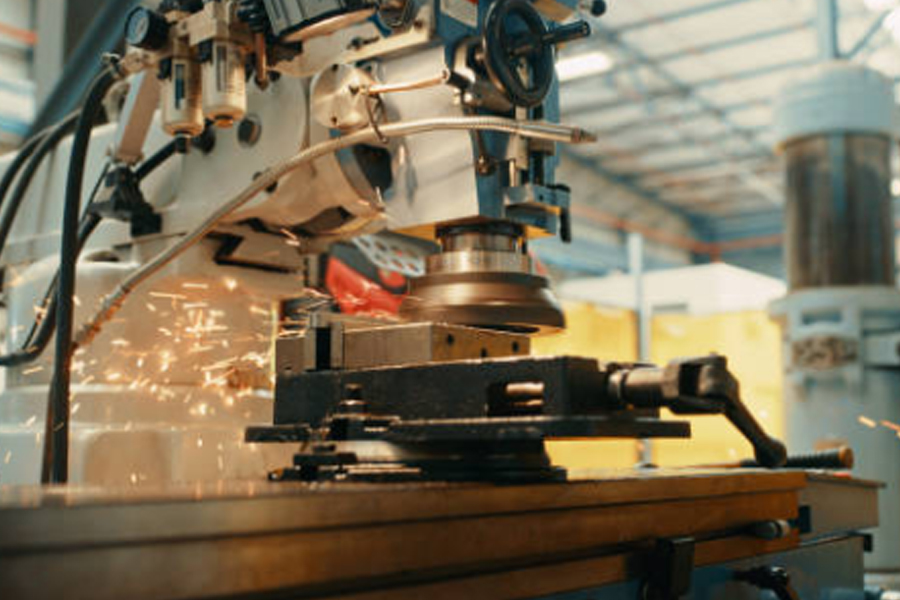
The multi-dimensional impact of precision machining on the industrial system
Promote product performance upgrade
In the field of mechanical manufacturing, precision machining can produce parts with dimensional accuracy reaching the micron or even nanometer level. The cooperation of these high-precision parts can greatly reduce the friction and loss during the operation of the machine, and improve the stability and operating efficiency of the equipment. For example, in engine manufacturing, precision-machined pistons, crankshafts and other parts can effectively improve the power output and fuel economy of the engine.
In the field of electronic information, precision machining technology is crucial for chip manufacturing. Through precision processes such as lithography and etching, the circuit line width on the chip can be continuously reduced, thereby achieving an increase in chip integration and a leap in performance, making electronic products thinner and more powerful.
Promote the optimization of industrial structure
The development of precision machining technology has driven the coordinated development of related industries such as high-end equipment manufacturing and new material research and development. In order to meet the needs of precision machining, machine tool manufacturers continue to develop high-precision and high-stability processing equipment; material companies are committed to developing high-performance materials suitable for precision machining. This kind of inter-industry linkage development has prompted the continuous optimization and upgrading of the industrial structure of the industrial system, and moved towards high-end and intelligent directions.
At the same time, precision machining technology has also spawned a number of emerging industries, such as micro-nano manufacturing, precision instrument manufacturing, etc., injecting new vitality into industrial economic growth.
Enhance enterprise competitiveness
Enterprises that master precision machining technology can produce products with better quality and higher precision, thus standing out in market competition. These enterprises can rely on their technological advantages to undertake high value-added orders and obtain higher profit margins. Moreover, the product consistency and reliability brought by precision machining help enterprises establish a good brand image, attract more customers, further consolidate their market position, and promote sustainable development of enterprises.
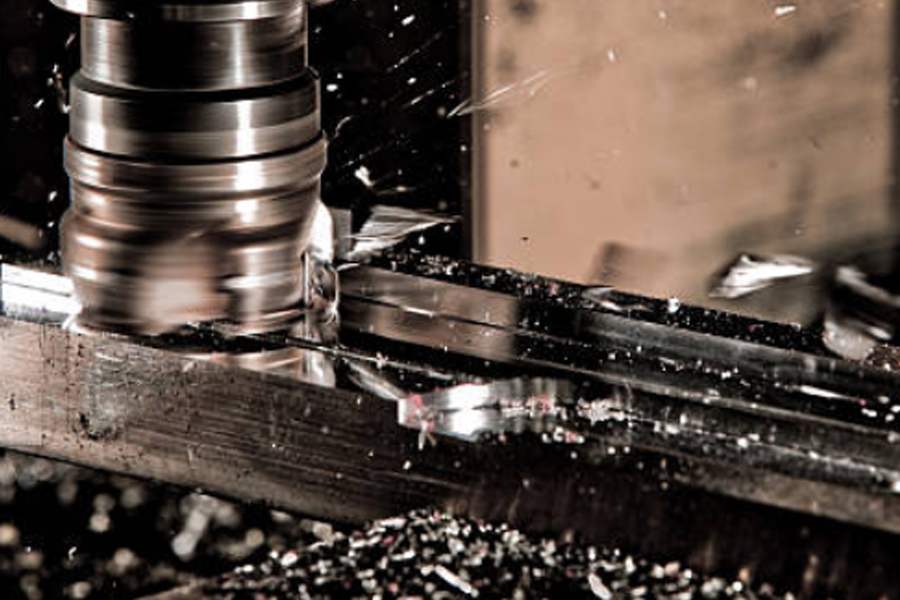
The core role and advantages of precision machining
The core role of precision machining is to achieve precise control of product accuracy. Through advanced machining technology and high-precision equipment, it can perfectly transform the precise size and shape on the design drawings into actual products. Whether it is a complex curved surface structure or a tiny precision component, it can achieve extremely high machining accuracy.
Its advantages are also reflected in machining efficiency and quality stability. With the widespread application of CNC technology and automation technology in precision machining, the machining process can achieve precise control and automated operation, which not only improves production efficiency, but also reduces the impact of human factors on machining quality, ensuring the stability and consistency of product quality. In addition, precision machining can also reduce material waste, improve resource utilization, reduce production costs, and achieve a win-win situation of economic and environmental benefits.
The contemporary significance and development prospects of precision machining
As the core technology of the modern industrial system, precision machining has a profound impact on the development of industry from product performance improvement, industrial structure optimization to enterprise competitiveness enhancement. With its high-precision, high-efficiency and high-quality processing characteristics, it promotes continuous innovation and progress in various industries.
In the future, with the continuous development of science and technology, precision machining technology will continue to innovate and improve, play an important role in more fields, provide strong impetus for the continuous upgrading of the modern industrial system and the high-quality development of the economy and society, and become the key force leading industrial manufacturing to a new height.