

CNC precision machining (Computer Numerical Control machining) is an advanced manufacturing technology that uses computer technology to control processing equipment for precision operations. It can automatically control processes such as cutting, milling, and drilling, significantly improving machining accuracy and production efficiency. With the growing demand for high-precision, high-efficiency products in modern manufacturing, CNC precision machining has become a crucial tool for enhancing production quality and enterprise competitiveness. This article will delve into the advantages, application fields of CNC precision machining, and how to select suitable processing plants, helping enterprises better understand and apply this key technology.
What is CNC Precision Machining?
CNC precision machining technology utilizes computer numerical control systems to control mechanical equipment for high-precision machining through program instructions. Compared with traditional manual processing methods, CNC machining can significantly improve machining accuracy and consistency, reduce human operation errors, and simultaneously shorten production cycles and lower production costs. This technology is widely used in aerospace, automotive manufacturing, electronic equipment, medical devices and other fields, meeting the stringent requirements for high quality and precision in different industries.
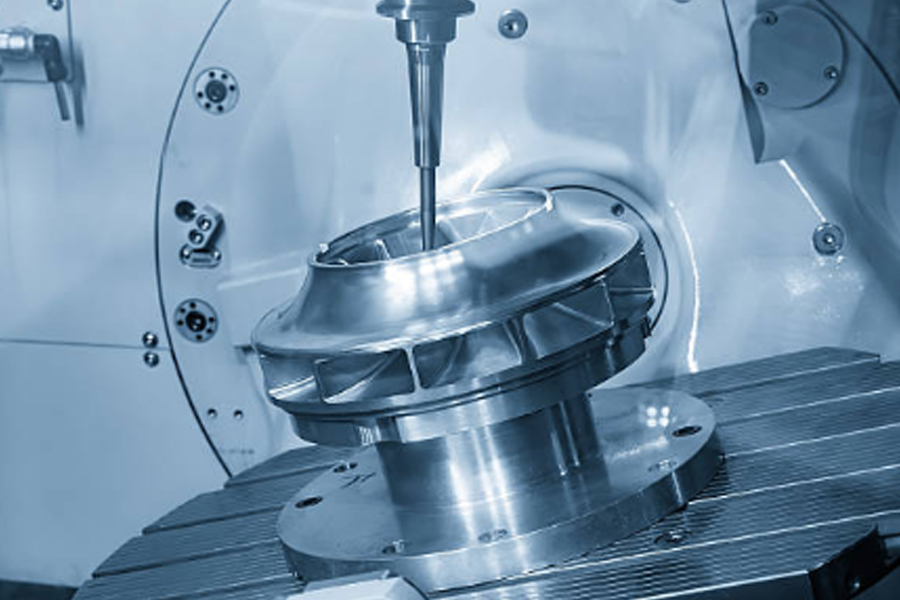
Key Advantages of CNC Precision Machining
- High-Precision Machining: CNC precision machining technology can achieve micron-level precision control, meeting the extremely high precision requirements of industries such as aerospace and medical devices. The computer-controlled machining process greatly reduces manual operation errors, ensuring that each part has a very small dimensional tolerance.
- Improved Production Efficiency: Due to the high degree of automation of CNC precision machining equipment, it can perform continuous production for long periods, significantly improving production efficiency. The program-controlled machining process not only saves manual operation time but also reduces the frequency of production line shutdowns, thereby enhancing overall production capacity.
- Flexible Machining Capability: CNC equipment supports the processing of complex shapes and diverse materials, enabling manufacturers to design and produce various customized components. This is particularly important for products requiring high precision and complex structures, especially in aerospace, automotive, and electronic product manufacturing.
- High Repeatability and Stability: The high repeatability of CNC precision machining ensures consistent quality of each part in mass production. Even in large-batch production, the consistency of parts can be maintained, thereby improving product reliability and consistency, and reducing rework and waste caused by unqualified parts.
- Optimized Material Utilization: Through precise cutting and forming technologies, CNC precision machining effectively reduces material waste, thereby lowering production costs. This feature of efficient material utilization not only improves economic benefits but also plays a positive role in environmental protection.
Main Application Fields of CNC Precision Machining
CNC precision machining technology is widely used in multiple industries with high-precision requirements. The following are the major application fields:
- Aerospace: The aerospace industry has extremely high requirements for the precision and reliability of components. CNC precision machining can provide high-precision machining for aircraft and engine parts. These components usually work in extreme environments and therefore must meet strict performance standards.
- Automotive Manufacturing: In automotive manufacturing, CNC precision machining technology is widely used in the production of key components such as automotive structural components, engine assemblies, and transmissions. It ensures the precision of each part, thereby improving the overall performance and safety of the vehicle.
- Electronic Equipment: In the electronic equipment industry, especially consumer electronics (such as mobile phones, computers, etc.), CNC precision machining is used to manufacture small and complex parts. High-precision machining ensures product quality and reliability.
- Medical Devices: With the advancement of medical technology, medical devices have increasingly high requirements. CNC precision machining can meet the strict standards for hygiene, safety, and functionality of medical equipment, ensuring the high quality of medical products.
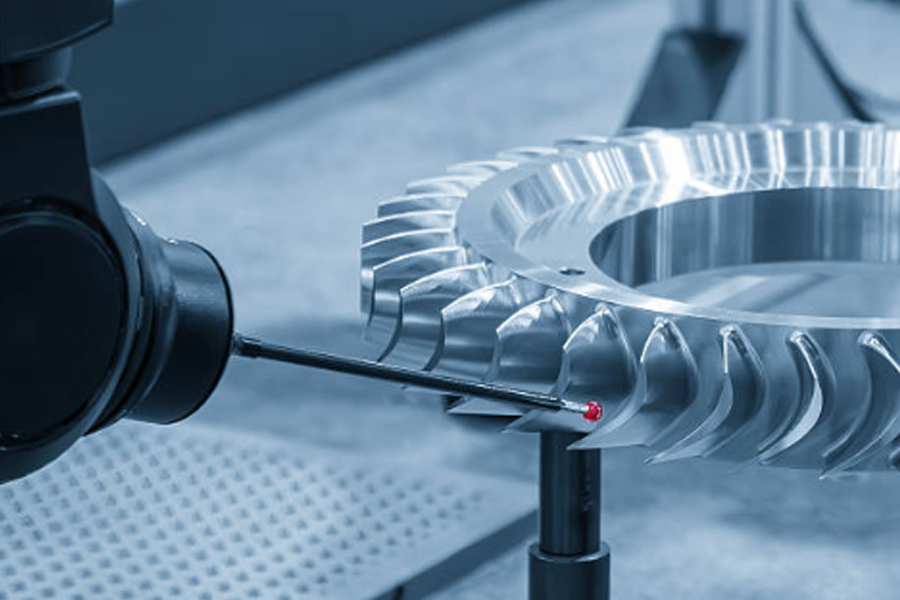
Technical Advantages of CNC Precision Machining
- Extremely High Machining Precision: CNC precision machining technology can process parts with minimal tolerances and meet the stringent precision requirements for components in modern manufacturing. Compared with traditional methods, CNC machining reduces human errors, thereby ensuring consistent product quality.
- Automation Enhances Efficiency: CNC precision machining features a high degree of automation, enabling 24/7 uninterrupted production and greatly improving production efficiency. The high level of automation and easy operation allow enterprises to respond more quickly to market demands and shorten production cycles.
- Diversified Machining Capabilities: CNC equipment supports the processing of various complex-shaped components and can be flexibly adjusted according to different needs, meeting the processing requirements of different materials, shapes, and specifications.
- Stability and High Repeatability: The high stability and repeatability of CNC precision machining equipment ensure consistent processing quality of components during mass production. This is crucial for improving production quality and reducing the non-conforming product rate.
How to Select a Suitable CNC Precision Machining Plant?
Selecting a suitable CNC precision machining plant is key to ensuring product quality and delivery cycles. The following are some selection criteria:
- Qualifications and Experience: Choosing a CNC machining plant with certifications (such as ISO 9001 certification) ensures that it meets international standards in quality management. Experienced manufacturers can better understand customer needs and provide professional processing solutions.
- Equipment and Technical Level: Advanced equipment and technical capabilities are the foundation for providing high-precision and efficient machining services. Selecting manufacturers with modern CNC equipment can ensure product quality and delivery speed.
- Delivery Capability and Communication Efficiency: When selecting a machining plant, delivery capability and timely communication are very important. High-quality machining plants can ensure on-time delivery and maintain good communication with customers during the production process to ensure the smooth progress of the project.
- Customer Reputation and Feedback: Refer to the evaluations and feedback of other customers to understand the manufacturer's reputation in the industry. A manufacturer with a good reputation usually provides high-quality machining services and reliable customer support.
The Impact of CNC Precision Machining on Modern Manufacturing
The wide application of CNC precision machining technology has significantly improved the production efficiency and product quality of modern manufacturing. It not only solves the limitations of traditional processing methods in high precision and complex structures but also promotes small-batch customized production and industrial upgrading. By reducing production cycles and labor costs, CNC precision machining helps enterprises improve market competitiveness, meet personalized needs, and drive the development of intelligent manufacturing and automated production.
As the market demand for high-quality products continues to grow, CNC precision machining will continue to play an important role in multiple industries, becoming a key technology for enhancing productivity and promoting industrial development.