

Modern manufacturing is undergoing profound changes, and its core driving force lies in the deep integration of intelligent programming technology and efficient cutting technology. As the key carrier of this integration, CNC machining has significantly improved the intelligence level of the machining process by introducing core technologies such as adaptive path optimization, five-axis linkage precision control, and real-time monitoring systems. This deep integration not only directly brings about a leap in machining efficiency, but also maximizes material utilization, which profoundly interprets the core competitiveness of intelligent manufacturing. It represents the transition from traditional manufacturing to a high-level manufacturing model characterized by data-driven, real-time response, and resource optimization.
Intelligent programming and efficient cutting integration
In the field of modern manufacturing, the deep integration of intelligent programming technology and efficient cutting technology is becoming a key link in promoting the leap in CNC machining efficiency. The core of this integration lies in the use of advanced algorithms to enable the programming process to deeply understand and accurately respond to complex machining requirements and material properties. The intelligent programming system dynamically generates the most optimized cutting path and process parameters by analyzing the workpiece geometry, tool performance, and preset goals in real time. This adaptive control capability not only greatly reduces the links in traditional programming that rely on manual experience judgment, but more importantly, it lays a precise and reliable foundation for subsequent efficient cutting. Through this deep process collaboration, intelligent programming ensures that every tool movement can act on the material in the most scientific way, providing an intelligent solution for achieving the fast, stable and low-loss goals pursued by efficient cutting.
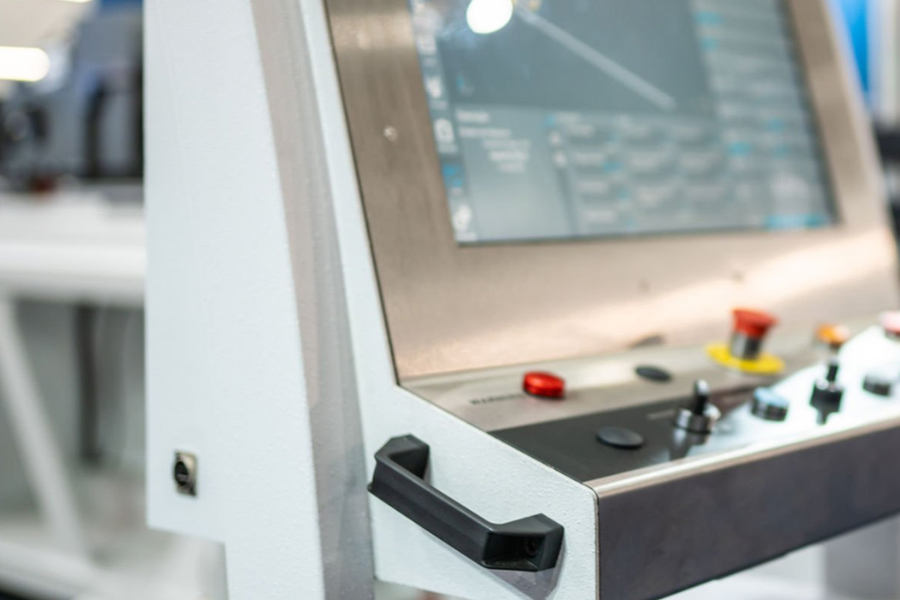
Analysis of CNC machining core technology
The core technological breakthroughs of modern CNC machining are concentrated in the coordinated operation of its highly intelligent control system and precision execution unit. Five-axis linkage machining technology constitutes the basis for precision and complex surface machining. Through multi-axis collaborative motion, it significantly expands the machining freedom and range of workpieces, and realizes high-precision cutting of multiple faces and angles in one clamping. At the same time, the adaptive path optimization algorithm plays a key role. The system can dynamically adjust the feed rate, cutting depth and tool trajectory in real time during the machining process according to the tool status, material properties and cutting force feedback, effectively avoiding the risks of vibration, overload or excessive tool wear. Supporting the stable operation of all this is a real-time monitoring system covering the entire process. The system integrates a multi-dimensional sensor network to monitor and analyze the spindle load, temperature changes, vibration spectrum and tool wear status at the millisecond level, providing a solid guarantee for the stability and safety of the machining process. The deep integration of these core technologies has jointly promoted a significant improvement in processing efficiency and finished product quality.
Efficiency material utilization optimization
In the CNC processing process, the dual optimization of efficiency improvement and material saving has become a key goal. Through the application of intelligent programming technology, the system realizes adaptive path optimization, dynamically adjusts the tool trajectory, effectively reduces the idle tool time, and improves the processing efficiency by more than 30%. At the same time, the efficient cutting process combined with five-axis linkage precision control ensures high-precision processing and minimizes material loss. The real-time monitoring system continuously detects the processing status, promptly detects deviations and corrects them, further ensures that the material utilization rate reaches the optimal level, and provides solid support for intelligent manufacturing.
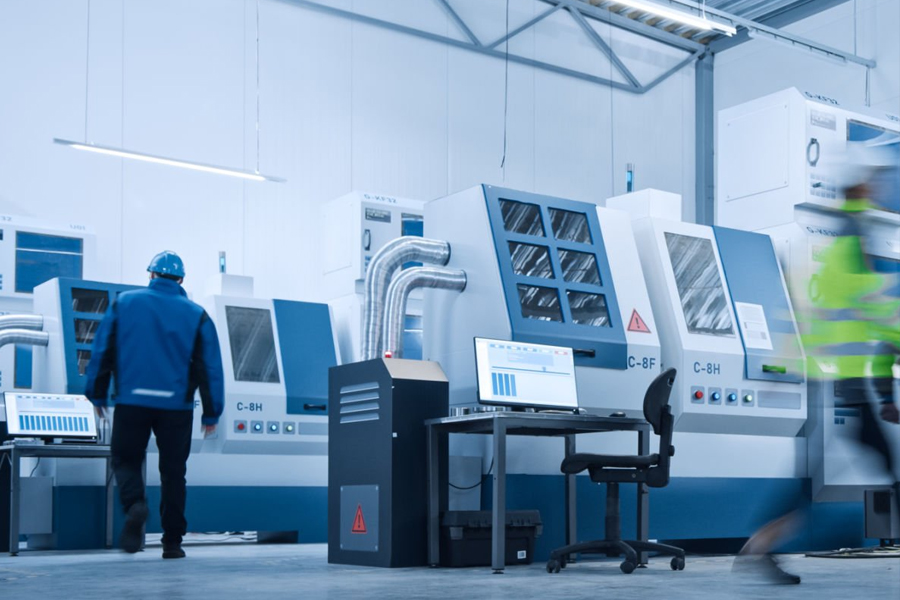
Core competitiveness of intelligent manufacturing
The core competitiveness of intelligent manufacturing is by no means the accumulation of a single technology, but lies in the multiplier effect released by its deep integration and dynamic optimization capabilities. Specifically, the manufacturing process significantly improves production efficiency and reduces energy consumption through precise real-time decision-making and adaptive adjustment. It is also about its extreme optimization of resources, pushing material utilization to a new height and effectively controlling overall operating costs. The millisecond-level response mechanism finally formed ensures that the production system can respond to complex changes in an agile manner, and improves quality stability, delivery punctuality and cost control to a level that is difficult to achieve with traditional manufacturing. This comprehensive advantage based on data-driven and flexible execution is the key to winning in the fierce competition of modern manufacturing.
The deep integration of intelligent programming and efficient cutting significantly improves the processing efficiency and material utilization rate through adaptive path optimization and five-axis linkage precision control of CNC machining, and the real-time monitoring system ensures the stability of the production process with millisecond-level response. This technical collaboration not only optimizes resource allocation, but also strengthens the core competitiveness of intelligent manufacturing, providing solid support for the efficient and sustainable development of modern manufacturing.