

Die casting is a manufacturing technology that injects molten metal into a mold under high pressure. It is widely used in the mass production of precision parts. Its core processes are divided into two types: hot chamber and cold chamber. Hot chamber die casting is suitable for zinc alloys with low melting points and can achieve high-speed cycles of dozens of times per minute. Cold chamber die casting is designed for aluminum alloys and magnesium alloys, and ensures material stability through independent furnaces and injection systems. In the production process, mold design and metal flow control directly affect product accuracy. For example, multi-stage boosting technology can control the size error of parts within a quarter of the diameter of a hair. At present, typical application cases such as automobile engine brackets and 5G communication equipment housings not only reflect the molding ability of die casting technology for complex structures, but also show its key role in lightweight and cost control. This article will systematically analyze the technical points of the entire process from mold development to post-processing to help companies establish an efficient and reliable die casting production system.
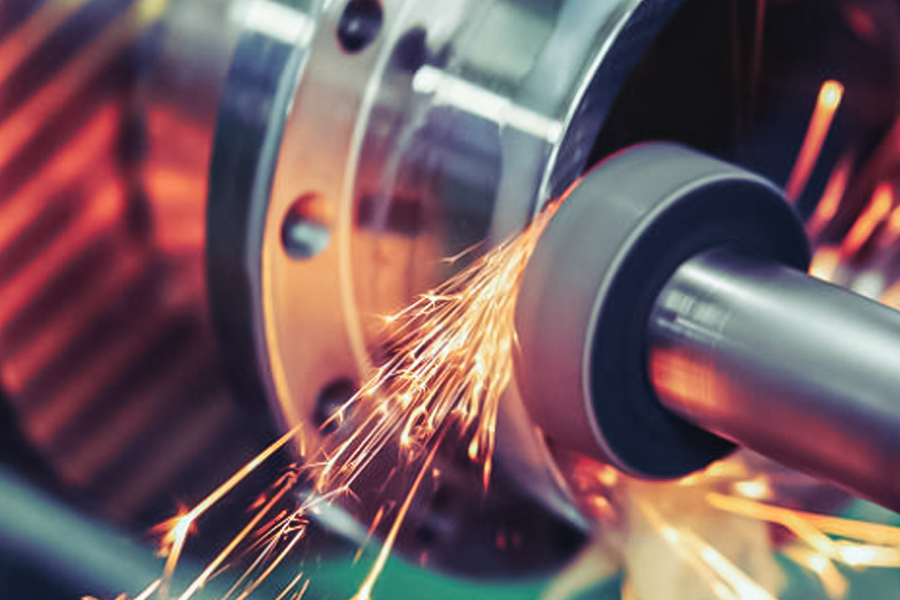
Analysis of hot and cold chamber die casting process
Hot chamber die casting and cold chamber die casting are two basic processes in the field of metal forming. The hot chamber die casting machine integrates the melting furnace and the injection system. The molten metal is directly injected into the mold through the gooseneck tube. It is suitable for zinc alloy materials with low melting points. The molding temperature is usually controlled in the range of 400-450℃. This process has the advantages of short cycle (up to 12 molds per minute) and low energy consumption. It is often used to produce small precision parts such as electronic component housings. Cold chamber die casting adopts a structure in which an independent melting furnace is separated from the injection chamber. High-temperature alloy liquids such as aluminum and magnesium are pushed into the mold cavity through a high-pressure plunger. The injection pressure can reach 900-1200bar, which can achieve stable molding of complex structural parts, such as automobile engine brackets or gearbox housings. The choice of the two processes requires comprehensive consideration of material properties, part size and production cost. For example, the energy consumption of a single piece of hot chamber die casting is about 30% lower than that of the cold chamber process, but cold chamber die casting can better ensure dimensional stability when producing large parts.
Mold optimization and flow control
Mold design is a key link in die casting processing, which directly affects product molding quality and production efficiency. Engineers usually adjust the mold structure according to the material properties. For example, more dense cooling water channels are used in zinc alloy die casting, while aluminum alloy molds need to strengthen the exhaust system. Accurate calculation of the gate position can guide the metal liquid to fill the cavity in a stable path to avoid pores or cold shut defects.
Flow control ensures that the metal liquid flows evenly in the mold by adjusting the melt temperature, injection pressure and filling speed. The use of digital simulation technology can predict the flow state in advance and optimize the combination of process parameters. When the front flow rate of the metal liquid is controlled at 0.5-2m/s, it can not only ensure the integrity of the molding, but also reduce the erosion and wear of the mold surface. Experimental data show that reasonable flow control can increase the product qualification rate by more than 20% and reduce energy consumption by 15%.
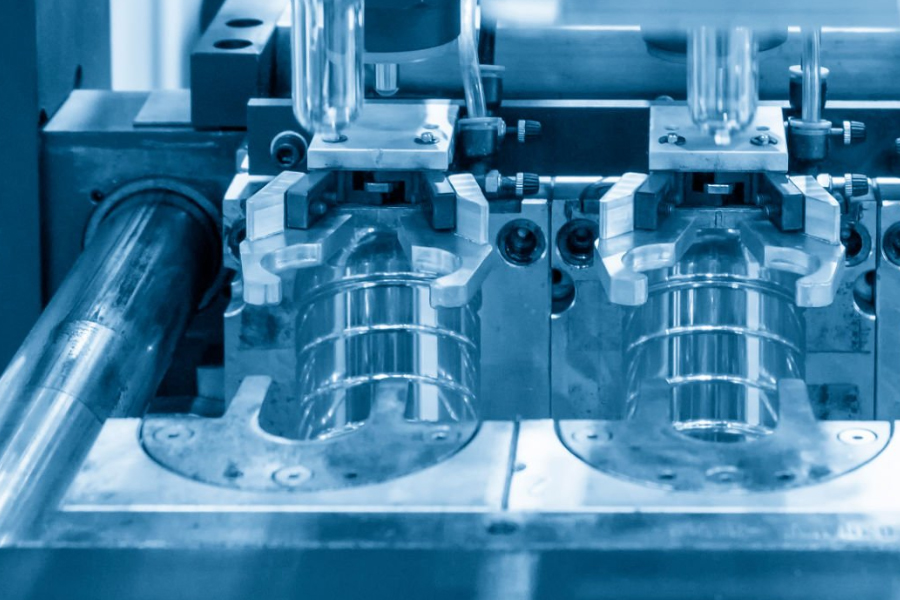
Practical Guide to Precision Tolerance System
In actual production, precision tolerance control is the core indicator of die casting quality. By following ISO 2768 and ISO 286 standards, enterprises can systematically divide the allowable deviation range of different sizes. For example, for an aluminum alloy shell with a thickness of 5mm, a fluctuation of ±0.1mm is allowed when using the m-level tolerance, while the key assembly surface needs to be upgraded to the k-level tolerance (±0.05mm). Shrinkage compensation needs to be considered simultaneously during the mold design stage. The shrinkage rate of zinc alloy is usually 0.7%-1.3%, and the deformation needs to be predicted in advance through digital simulation technology. During mass production, temperature fluctuations have a significant impact on dimensional stability. It is recommended to use a closed-loop temperature control system to control the mold temperature difference within ±3°C. For multi-cavity molds, the repeatability of each cavity needs to be checked regularly to avoid tolerance shifts between batches due to wear. By linking tolerance data with processing parameters for analysis, companies can quickly locate problem links, such as abnormal melt flow rate or ejection mechanism offset, thereby achieving full-link precision management from design to production.
Detailed analysis of automotive electronics application cases
In the field of automotive electronics, die-casting processing technology solves the production problems of complex parts through precision molding capabilities. For example, the motor housing of a certain brand of new energy vehicles uses aluminum alloy die-casting. With the help of cold chamber die-casting process, a 0.5 mm thin-walled structure is formed, while maintaining a dimensional stability of ±0.03 mm. During the production process, engineers effectively avoided pore defects by optimizing the mold exhaust system, and combined with the T6 heat treatment process to increase the tensile strength of the product by 20%. Another typical case is the manufacture of the shell of the vehicle control unit. Through magnesium alloy die-casting, the weight of a single part is reduced by 35%, and the corrosion resistance is significantly enhanced after micro-arc oxidation treatment on the surface, which can adapt to extreme working environments of -40°C to 120°C. These applications not only verify the advantages of die-casting technology in high precision and lightweight, but also provide a reusable solution for cost control in mass production.
The continuous advancement of die-casting processing technology provides a reliable and efficient production path for modern manufacturing. By reasonably selecting hot chamber or cold chamber processes, companies can balance efficiency and cost based on product size and alloy characteristics; mold structure optimization combined with flow simulation technology can significantly reduce the incidence of pores and cold shut defects. In terms of tolerance control, the combination of ISO standards and digital testing has made it a normal operation to achieve ±0.02mm accuracy for thin-walled parts. In the current trend of lightweighting automobiles, the one-piece die-cast door frame is 23% lighter than the traditional welding process, and the heat dissipation efficiency of the electronic equipment housing is increased by 17% after magnesium alloy die-casting, which confirms the application value of this technology in many fields. With the popularization of intelligent die-casting units and real-time monitoring systems, the future manufacturing cycle is expected to be further shortened by more than 30%, creating a better solution for the large-scale customized production of precision parts.