

Precision machining is the jewel in the crown of modern manufacturing, and it represents the ultimate pursuit of material forming accuracy. This technology, with micron or even submicron machining accuracy as its core feature, achieves a leap in geometric accuracy, surface quality and functional characteristics of parts through the collaboration of precision machine tools, special tools and digital control systems. Its core value lies in breaking through the physical limits of traditional machining technology and providing performance guarantee for high-end equipment.
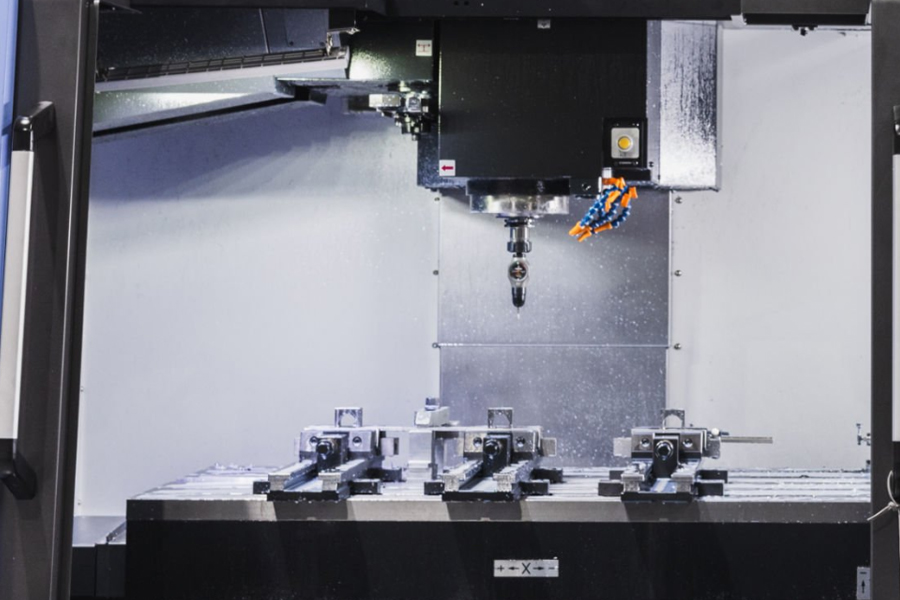
In terms of technical advantages, precision machining shows five core competitiveness. Ultra-precision geometric control capability makes it possible to process features such as complex curved surfaces and micro-channels, such as the nano-level surface accuracy requirements of optical lenses; surface integrity guarantees the elimination of micro cracks and residual stresses through special processes, significantly improving the fatigue life of parts; material adaptability breakthroughs can stably process difficult-to-process materials such as high-temperature alloys and ceramic-based composite materials; batch consistency control compresses dimensional fluctuations to less than one-tenth of traditional processing to meet the needs of automated assembly; and miniaturization processing capabilities support the manufacture of micro devices such as millimeter-level medical implants.
This technology has deeply penetrated key areas of the national economy. The application in the aerospace field is reflected in the processing of film holes of engine turbine blades and the manufacturing of inertial navigation parts for spacecraft; the medical and health industry relies on it to complete the surface polishing of artificial joints and the processing of precision gear sets for surgical robots; the optical electronics industry relies on this technology to manufacture the end faces of optical fiber connectors and semiconductor lead frames; the automotive industry uses precision machining to achieve micro-hole machining of high-pressure common rail injectors and precision grinding of motor shafts for new energy vehicles; the energy equipment field is used in nuclear reactor seal machining and gas turbine blade mortise and tenon manufacturing. These applications point to the core value of precision machining - providing reliability assurance for key equipment.
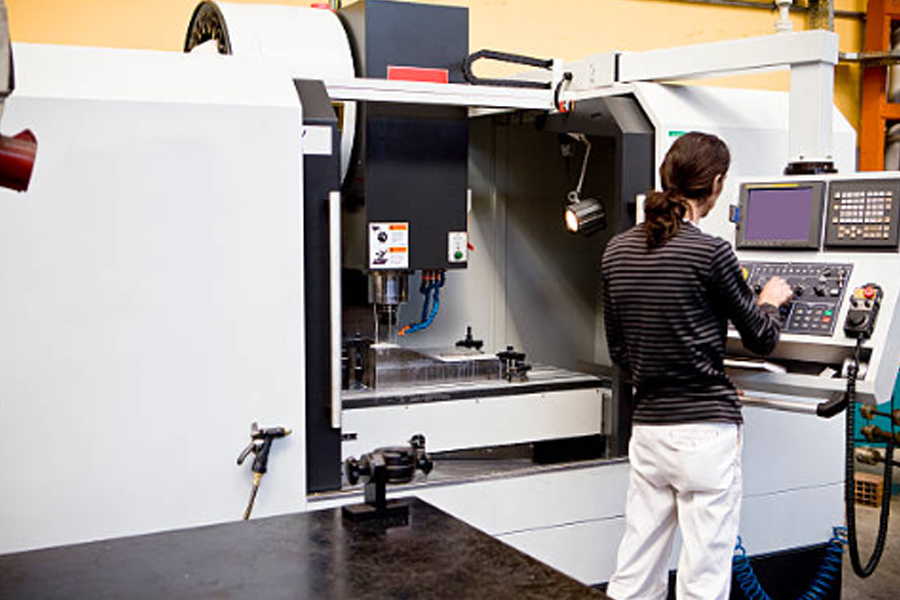
The current technological development shows three major trends: ultra-precision composite machining centers realize the integration of turning, milling and grinding processes to reduce repeated clamping errors; online detection and compensation systems correct machining paths through real-time feedback; intelligent process decision platforms automatically optimize cutting parameters based on material properties. These evolutions are driving machining accuracy towards the nanometer level.
With the advent of the Industrial 4.0 era, precision machining has been upgraded from a single technology to the precision center of the manufacturing system. It not only determines the performance boundary of high-end equipment, but also becomes a key indicator of the competitiveness of the national manufacturing industry. In the journey towards becoming a manufacturing powerhouse, precision machining technology will continue to release innovative momentum.