

Five-axis precision CNC machining technology for medical parts is an indispensable key link in modern medical device manufacturing. This technology uses advanced five-axis linkage CNC machine tools to perform extremely precise machining of metals or other biocompatible materials. This capability is essential for manufacturing highly demanding medical components such as surgical instruments, bone plates, and joint implants, because these components are not only often very complex in shape, but also have dimensional accuracy and surface finish that are directly related to patient treatment and safety. Subsequent content will explore in depth how this technology can achieve micron-level precision control, its application examples in the production of specific medical devices, and how a quality management system that strictly follows international standards can work together to ensure the reliability and safety of the final product.
Axis CNC Medical Machining
Five-axis CNC machining is a very advanced manufacturing technology. This technology allows the processing equipment to move or rotate in five different directions at the same time. This is particularly useful for manufacturing medical parts. Because many medical parts, such as surgical tools or implants used in the body, are often complex in shape, with many curved surfaces and fine details. Ordinary machines have difficulty in machining these shapes well. Five-axis CNC machining can easily handle these complex geometries. It can cut and shape materials from almost any angle, accurately manufacturing the appearance required on the design drawing. Therefore, this five-axis CNC machining technology is an important basis for producing high-quality, complex-shaped medical parts.
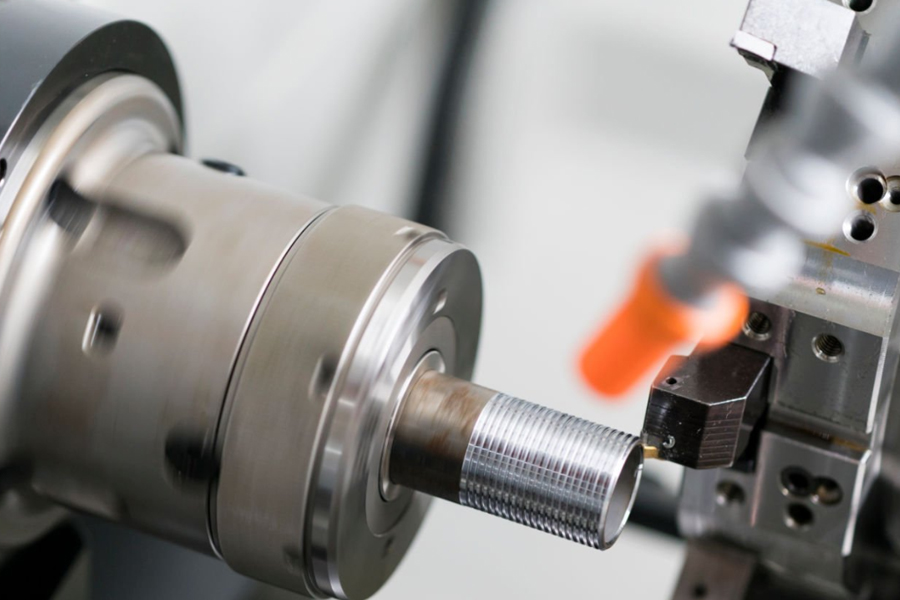
Micron-level precision guarantee
In the process of medical parts processing, achieving micron-level precision is the core of ensuring product reliability. Through advanced five-axis CNC machining technology, the equipment can accurately control the tool path and processing parameters to reduce errors. The CNC precision CNC system is equipped with highly sensitive sensors to monitor the processing status in real time and make timely adjustments to ensure that the tolerance remains within the micron range. For example, when manufacturing implants, this technology can stably handle complex geometries and avoid subtle deviations. Combined with the ISO-certified quality system, from raw material detection to final product inspection, each step is strictly controlled to ensure the safety and consistency of parts. This high-precision capability provides a solid foundation for subsequent surgical instrument manufacturing.
Surgical instrument manufacturing application
Thanks to the micron-level precision processing capability, five-axis CNC machining technology plays a key role in surgical instrument manufacturing. This advanced CNC precision machining method can efficiently process tools such as scalpels, forceps and pliers, which often require complex geometries and sharp edges. During the medical parts processing, the five-axis system ensures that the dimensions and surface finish of each component meet high standards, thereby ensuring the reliability and safety of surgical instruments. This not only meets the strict requirements of the medical industry, but also helps doctors reduce risks during operation.
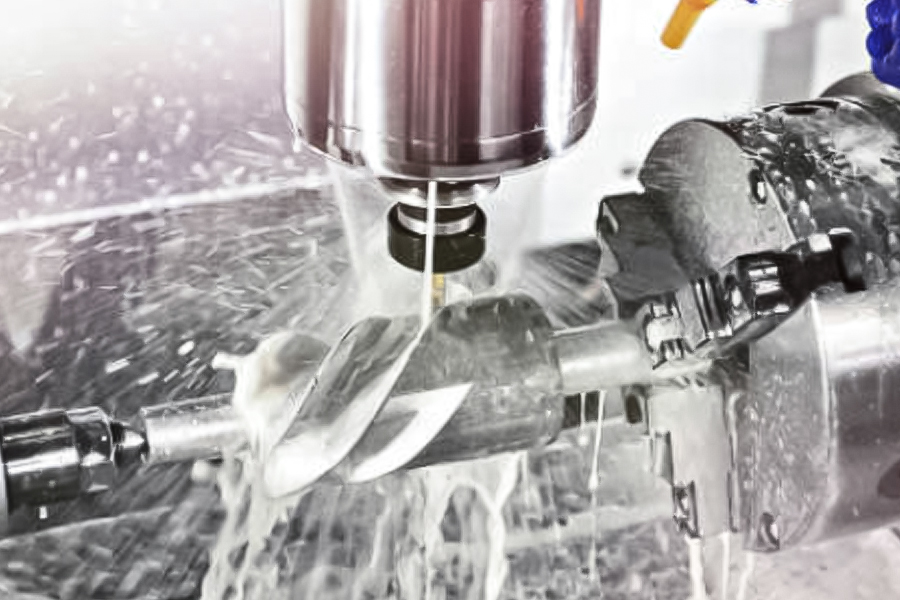
ISO quality certification system
The processing requirements of medical parts are extremely high, and any slight mistake can have serious consequences. Therefore, a strict and internationally recognized quality management system is essential. ISO certification, especially ISO 13485 for the medical device industry, is at the core of this guarantee. This certification requires companies to establish a complete system covering the entire production process, from raw material procurement to final inspection, with clear specifications for each link. It emphasizes continuous process improvement, detailed documentation, and regular calibration and maintenance of equipment. By obtaining and maintaining ISO certification, processing companies have proven their ability to consistently produce products that meet the strict regulations of the medical industry and the high standards of customers. This not only ensures the safety and reliability of the parts, but also provides confidence to the end user, so that each precision-machined medical component has a clear quality traceability record.
Medical parts processing uses five-axis CNC machining technology, which can achieve micron-level accuracy and ensure the reliability of products such as surgical instruments and implants. CNC precision CNC machining capabilities handle complex geometries and meet the strict standards of the medical industry. Combined with the ISO quality certification system, this technology improves the safety performance of parts, provides patients and medical professionals with efficient and high-quality solutions, and promotes the overall progress of medical device manufacturing.