

In the field of medical equipment manufacturing, the accuracy and reliability of parts and components directly affect the diagnosis and treatment effect and patient safety. CNC precision machining technology, with its high precision and high stability, is gradually becoming the core technical support for the production of medical accessories. This article will analyze the substantial improvement that this technology has brought to the medical industry.
The core demands of the medical industry for parts and components processing
Medical accessories generally have the characteristics of complex structure, special materials, and high precision requirements. For example, orthopedic implants, surgical instruments, imaging equipment components, etc., need to meet multiple standards such as biocompatibility, corrosion resistance and long-term stability. Traditional processing methods have obvious limitations in complex surface forming, micro-hole processing, etc.
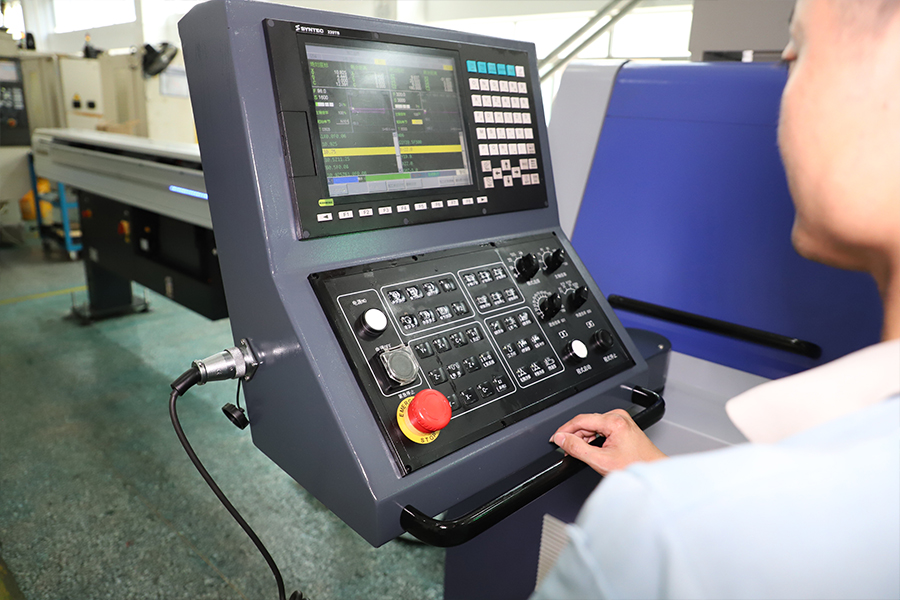
Six advantages of CNC technology in empowering medical manufacturing
1. Micron-level precision control
The five-axis linkage CNC system can achieve a processing accuracy of less than 0.005mm, ensuring that implants such as joint replacement parts fit perfectly with the human skeleton and reducing the risk of postoperative complications.
2. Complex structure forming capability
Through the collaborative work of the CAD/CAM system, special structures such as inner cavity flow channels and micro-threads can be accurately processed to meet the refined needs of minimally invasive surgical instruments.
3. Material processing adaptability
Supports stable processing of special materials such as titanium alloy, medical stainless steel, PEEK, etc., maintains the original physical properties of the materials, and meets the requirements for medical device registration and certification.
4. Batch quality stability
The automated processing system avoids human operation errors, ensures the dimensional consistency of batches of 10,000 pieces, and reduces product defective rates.
5. Traceable production system
Digital processing parameters are recorded throughout the process to achieve quality traceability from raw materials to finished products, meeting the GMP management specifications for medical devices.
6. Quick response to customized needs
Flexible production lines can quickly adjust processing procedures to meet the personalized accessories customization needs of special clinical cases.
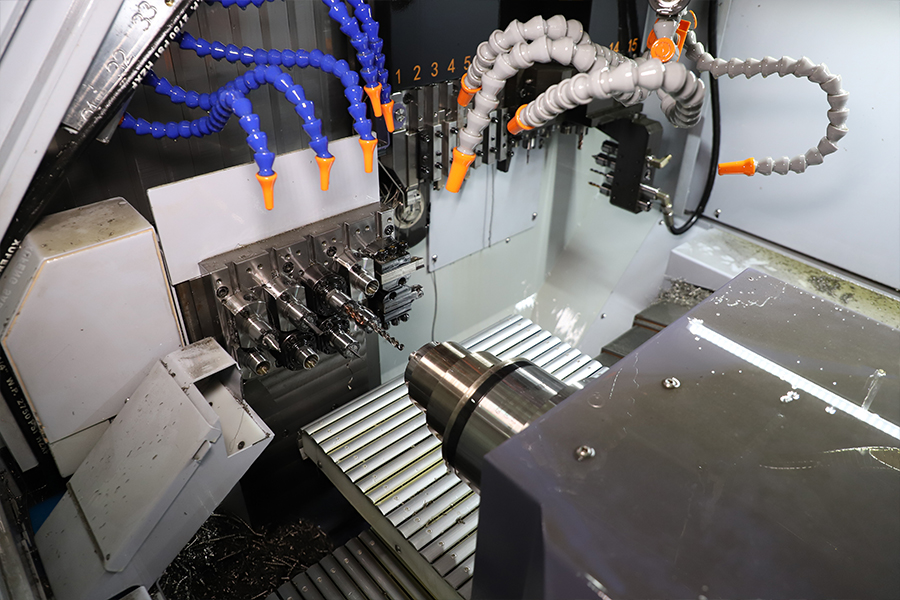
Control of key links in technology application
Process verification system: Establish a full-process verification mechanism from tool selection to cutting parameters
Clean workshop standards: Production sites that meet Class 8 dust-free environment requirements
Testing technology support: Equipped with professional equipment such as three-coordinate measuring instruments and surface roughness testing
Document management system: Completely save process documents, test reports and other quality certificates
Choosing a CNC processing service provider with a complete quality management system can effectively shorten the product development cycle of medical devices and reduce the risk of clinical use. We have been focusing on precision machining in the medical field for more than ten years, passed the ISO 13485 medical device quality management system certification, and provided professional supporting services to more than 300 medical companies.